Blog

Recommended vs Sponsored: How to Disclose for Trust

Recommended vs Sponsored Content: disclosure example for transparency

Recommended vs Sponsored Content is one of the most important distinctions in digital marketing because it directly impacts trust, disclosure, and consumer protection. While brands use labels to signal sponsorship or editorial endorsement, readers expect clear and consistent practices. Therefore, this guide explains what each label means, how disclosure rules vary by platform and region, and how to stay compliant without harming engagement.

In addition, you’ll learn how to identify authentic recommendations, present disclosures clearly, and follow a practical checklist you can use for blogs, social posts, and product reviews across Buyers Guides Hub.


Recommended vs Sponsored Content: What the labels mean

The phrase Recommended vs Sponsored Content describes two different content situations. A recommended piece is editorial and voluntary. In other words, it reflects independent judgment, research, testing, or clear evaluation criteria. A sponsored piece includes payment, incentives, or compensation, and you must disclose it clearly.

As a result, unclear labeling erodes trust quickly and invites scrutiny from both readers and regulators. Therefore, your goal stays simple: make it obvious when a recommendation is independent, and make it equally obvious when money or incentives influence the content.

  • Recommended = editorial choice based on research, criteria, or testing.
  • Sponsored = paid or incentivized content, and you must label it clearly.
  • Affiliate = commission-based links, and you must disclose the relationship near the link.

If you want to see how Buyers Guides Hub handles independence and editorial standards, review our internal policy page here: Buyer Guides Editorial Policy.


Recommended vs Sponsored Content disclosure rules (simple and clear)

Disclosure rules vary by platform and region. However, the principle stays the same: people deserve to know when compensation influences content. Therefore, use plain language such as “Sponsored by” or “Paid partnership” near the top of the post and again alongside the endorsement.

In addition, affiliate links require disclosure. That said, do not hide disclosures in a footer or use vague wording. Instead, keep them short, visible, and consistent.

For affiliate transparency, you can link to your site’s disclosure page here: Affiliate Disclosure.

Recommended vs Sponsored Content disclosure checklist (copy/paste)

  • Place the disclosure above the first endorsement.
  • Use plain language: “Sponsored,” “Paid partnership,” or “Affiliate links.”
  • Repeat the disclosure near the link if the post is long.
  • Avoid vague phrases like “Thanks to…” without explaining compensation.
  • Update older posts when partnerships, affiliate terms, or policies change.

Recommended vs Sponsored Content: best practices for transparency

When you label content clearly, you reduce confusion and protect credibility. Therefore, treat transparency as part of the editorial experience, not as an afterthought. In practice, that means you should place disclosures close to the endorsement, keep them readable, and use consistent wording across the site.

For example, if a post includes both independent editorial opinions and paid elements, label the entire post or clearly segment the sponsored portion. As a result, readers understand what incentives apply and where they apply.

  • Use a consistent disclosure block at the top of sponsored posts.
  • Place affiliate disclosures near the first affiliate link.
  • Repeat disclosures in long posts when needed.
  • Keep disclosure language short and specific.

Recommended vs Sponsored Content: platform policies and reader expectations

Platforms increasingly require transparency around sponsored content. Readers also expect disclosures to be obvious, easy to scan, and placed near the endorsement. Therefore, don’t bury disclosures in footnotes or sidebars.

For official guidance on endorsements and influencer-style disclosures, review the FTC resource here: FTC Endorsement Guides: What People Are Asking.

For broader legal context in the UK, you can also consult the official overview here: UK Marketing and Advertising Law.

That said, compliance is only the baseline. The higher goal is reader trust. Therefore, write disclosures for humans first and platforms second.


Recommended vs Sponsored Content: credibility, authenticity, and avoiding misleading endorsements

Authenticity is the foundation of credible recommendations. When readers can’t tell what is sponsored, trust collapses fast. Therefore, distinguish between opinions based on evaluation and content driven by incentives.

To strengthen credibility, explain your evaluation criteria, document trade-offs, and cite independent sources where possible. In addition, invite readers to review your editorial process and disclosure policies.

For transparency about how Buyers Guides Hub evaluates content, see: Editorial Policy and Affiliate Disclosure.


Recommended vs Sponsored Content in workflows and content creation

To apply clear labeling in your workflow, you need shared standards and consistent review steps. Start by documenting policy language, assigning responsibility for disclosures, and adding a disclosure checkpoint to your editorial process. Then, reuse the same disclosure templates across articles, videos, and social posts so readers always know what to expect.

  • Create a “Disclosure required?” checkpoint in the editor checklist.
  • Store approved disclosure text blocks for writers to reuse.
  • Audit old content every quarter and update missing disclosures.
  • Use consistent terminology across every platform and format.

Recent 30-Day Signals and Verified Updates (2025-12-07 to 2026-01-06)

  • Platforms increasingly prompt creators to disclose sponsorship before endorsements appear in feeds.
  • Regulators and training programs continue clarifying distinctions between recommended and sponsored content.
  • Publishers emphasize consistent disclosure language across posts and video descriptions.
  • Consumer trust research highlights that clear labeling improves credibility and reduces backlash risk.

For compliance context, consult the official FTC guidance again here: FTC Endorsement Guides. For UK marketing rules, see: UK Marketing and Advertising Law.


Conclusion: Recommended vs Sponsored Content transparency

Recommended vs Sponsored Content is not just a marketing topic—it is a trust topic. Start by codifying a clear disclosure policy, train writers to apply it consistently, and audit existing content to remove ambiguity. Then, standardize disclosure blocks so every post that includes paid elements shows clear labeling close to the endorsement.

As a practical next step, review your existing posts and map them to a disclosure checklist. Then, update older content and keep your policy pages consistent with your editorial workflow. You can reference these pages for alignment: Affiliate Disclosure and Buyer Guides Editorial Policy.

FAQ: Recommended vs Sponsored Content

What counts as a disclosure?

A disclosure is a clear statement that tells readers a paid relationship, sponsorship, or affiliate compensation exists. Make it easy to read, place it near the endorsement, and avoid jargon. In addition, don’t force users to scroll to find it.

Can I use affiliate links and still be compliant?

Yes. However, you must clearly disclose the affiliate relationship and explain how it may benefit you. Therefore, place disclosures close to affiliate links and update them when affiliate terms change.

Are there platform-specific requirements?

Many platforms require explicit disclosures in post captions, video descriptions, or hashtags. Therefore, review each platform’s rules and align disclosures with regional laws and best practices from authorities such as the FTC.


Buying Products Online: 10 Costly Mistakes and Smart Fixes

Buying products online is convenient, but it also comes with mistakes that cost money, time, and peace of mind. In this guide, you’ll learn the top mistakes people make when buying products online and the practical fixes that reduce risk. As a result, you can research smarter, protect payments, verify sellers, and avoid impulse decisions—so every purchase feels more confident and secure.

Quick note: If you want deeper category guidance, visit our Product Buying Guides hub for structured checklists and comparisons.


1) Don’t Skip Research When Buying Products Online

One of the most common errors is buying without research. When buying products online, compare specifications, read multiple reviews, and verify exact model numbers. Product pages usually highlight strengths. However, impartial reviews reveal weaknesses. Therefore, take time to search for long-form reviews, video walk-throughs, and forum threads that describe real-world use.

Use this quick checklist before checkout:

  • Confirm exact model and specs match the listing.
  • Look for recent user reviews and verified purchase badges.
  • Search for common complaints (battery life, sizing, firmware issues).
  • Compare prices across retailers and marketplace sellers.

Additionally, you can review how we evaluate products in our Buyer Guides Editorial Policy.


2) Payment, Security, and Account Safety When Buying Products Online

Secure payment choices matter. Avoid using public networks when buying products online, and prefer payment methods with strong buyer protection. For example, credit cards and trusted payment processors often offer dispute support. In addition, avoid saving payment details on sites you don’t fully trust, and enable two-factor authentication where available.

To strengthen account security, use a password manager and follow official guidance on strong authentication. For authoritative advice, see NIST.

Tip: If you publish a dedicated internal guide later (ex: Payment Safety Guide), link it here for a stronger internal-link network.


3) Misunderstanding Shipping, Returns, and Hidden Costs

Another costly mistake is assuming shipping and returns are simple. When buying products online, check shipping timelines, costs, and return windows before you commit. International orders may add customs fees and longer transit times. Likewise, free-shipping promos often have minimum thresholds that change your final price.

Read return policies carefully. Some sellers charge restocking fees or require unopened items. Marketplace sellers may also follow different terms than the platform. Therefore, save order confirmations and track shipments. If there’s a dispute, documentation speeds resolution.


4) Seller Credibility, Counterfeits, and Warranty Problems

Ignoring seller reputation is risky. Counterfeit or grey-market goods can be common on large marketplaces. Therefore, when buying products online, verify seller ratings, history, and whether they’re an authorized reseller. In many cases, manufacturer warranty support depends on authorized purchases.

Also, look for clear contact information, refund policies, and return responsiveness. If a deal seems too good to be true on a high-value item, it often is. As a result, consider buying from authorized retailers or directly from the brand to protect warranty coverage.


5) Device, Network, and Impulse Decision Mistakes

Many buyers checkout on mobile while distracted. Using unsecured Wi-Fi, skipping verification, or buying without comparing alternatives leads to regret. Therefore, when buying products online, pause before placing the order. Review cart details, confirm shipping estimates, and double-check coupon codes.

To reduce impulse buys, set a 24-hour rule for non-urgent purchases. In addition, use saved carts to compare prices without rushing a decision.


Recent 30-Day Signals and Verified Updates (December 5, 2025 – January 4, 2026)

Below are verified trends and updates from the last 30 days that affect online shoppers. Therefore, it’s smart to review these signals before making big purchases.

  • FTC alerts about emerging ecommerce scams and return scams — read guidance at the FTC.
  • Recent reporting highlighted ongoing growth in mobile checkout usage — see research at Pew Research Center.
  • Consumer protection guidance continues to emphasize seller identity and warranty coverage — consult Consumer Reports for broader product-testing perspective.

In short, fraud warnings, mobile checkout patterns, and seller disclosure rules remain key signals to monitor when buying products online.


Conclusion: Buying Products Online Without Costly Mistakes

Avoiding mistakes when buying products online comes down to research, security, and patience. Before you click purchase, verify product details, confirm seller credibility, choose protected payment methods, and understand shipping and return terms.

As a practical next step, create a short checklist for your category (specs, seller, price comparison, warranty, returns). Then, apply it to every major purchase. These small habits quickly reduce risk and improve satisfaction.

FAQ

How can I tell if a seller is legitimate?

Check seller history, read recent reviews, verify contact information, and prefer sellers with clear return policies or authorized-dealer status. If possible, send a simple question to test responsiveness.

Is it safer to use credit cards or payment apps?

Credit cards usually offer strong dispute resolution and fraud protection. Reputable payment services can also help, but you should review their terms. Avoid direct bank transfers to unknown sellers.

What should I do if an item arrives damaged or not as described?

Document the condition with photos, save packaging, contact the seller immediately, and open a dispute with the marketplace or your payment provider if necessary. Keep communications in writing as evidence.

Choose the Best Product: A Repeatable 5 Step Process

To choose the best product, start by defining what “best” means for your situation. For example, you may need specific features, a strict budget, or space constraints. In other words, the best choice is the one that fits your real use, not the one with the loudest marketing.

Therefore, this guide gives you a repeatable decision process. You’ll learn how to set priorities, compare specs, test performance, and verify safety updates. As a result, you can build a shortlist and buy with confidence.

Tip: If you want more structured resources, explore our Product Buying Guides hub for category-specific checklists.


1) Define priorities to choose the best product

First, write a short requirements list. Separate needs, wants, and deal-breakers. That way, products compete on what matters most: capacity, compatibility, durability, and measurable performance.

Next, convert priorities into thresholds. For example, define minimum battery life, load capacity, or throughput. Then, use those numbers to filter dozens of options into a shortlist you can evaluate seriously.


2) Research specifications, reviews, and verified data

After that, gather manufacturer specs, independent testing, and recent user feedback. However, don’t rely on a single source. Cross-check claims and look for clear test methods so comparisons stay fair.

In addition, verify compliance claims where possible. For example, some products include safety certifications, standards statements, or verification badges. Those documents help confirm core features before you spend time testing.

Key items to capture in your research:

  • Essential technical specs (power, size, throughput)
  • Real-world performance metrics from tests or reviews
  • Warranty, service, and return policies
  • Known safety recalls or standards compliance

Tip: If you’re new to how we evaluate products, review our Buyer Guides Editorial Policy.


3) Testing and real-world comparison

Now, test options in a repeatable way. Use simple experiments that reflect real use. For example, run the same workload, measure noise, or evaluate quality using identical settings.

As a result, you reduce reliance on popularity. You also uncover trade-offs like speed vs reliability, or feature depth vs ease of use. Most importantly, document results so the comparison stays objective.

choose the best product with hands-on testing


4) Cost, warranty, compatibility, and long-term value

Next, evaluate total cost of ownership. Include upfront price, consumables, repair risk, and lifespan. For example, a cheaper product with weak support can cost more over time than a reliable mid-range option.

Likewise, check compatibility with your existing setup. Otherwise, you may need adapters, upgrades, or replacement parts that were not obvious at checkout.

Before buying, verify return policies and restocking fees. That way, you can confirm performance with less risk. Also, read our Affiliate Disclosure to understand how links are handled.

choose the best product by comparing cost and warranty


5) Recent 30-Day signals and verified updates (2025-12-05 to 2026-01-04)

In the last 30 days, several signals have mattered for buyers. These include updated recalls, consumer advisories, and regulatory guidance. Therefore, always review active recall lists before purchasing a model.

Relevant verified sources in this window:

  • The U.S. Consumer Product Safety Commission maintains updated recall notices. Review them before buying: CPSC Recalls.
  • The Federal Trade Commission shares consumer guidance and alerts. Check for updates: FTC News & Events.
  • Manufacturers may publish firmware and safety bulletins. If possible, verify support updates on the vendor’s site.

Conclusion: choose the best product with a repeatable process

To choose the best product, follow a structured process you can repeat. First, define priorities and constraints. Next, verify specs and research. Then, test real-world performance and compare cost, warranty, and compatibility.

In short, avoid popularity-driven decisions. Instead, rely on evidence: hands-on results, verified standards, and recent safety updates. Finally, buy only when the product meets your goals at a price you can justify.

Next step: create a 2–3 item shortlist, compare them side-by-side, and document why you chose your final option. That way, future replacements become easier and more consistent.


Budget vs Premium Products: When Paying More Makes Sense

Budget vs premium products is not just a price debate — it’s a value decision. In other words, the smartest choice depends on durability, reliability, performance, support, and long-term cost. In this guide, you’ll learn simple frameworks to decide when paying more makes sense and when saving is the better move. Additionally, you’ll see which categories usually reward a premium, how to avoid “cheap-but-regretful” buys, and how to estimate ROI using total cost of ownership (TCO).

By the end, you’ll be able to compare apples to apples, ask better buying questions, and use verified market signals to time purchases wisely.


Budget vs premium products comparison: when paying more makes sense

Understanding Value in Budget vs Premium Products

First, remember: price is only one axis of value. Therefore, effective buying compares utility, longevity, and maintenance cost — not just upfront expense. Premium products often justify higher prices through better materials, stronger components, improved engineering, or reliable after-sales service. As a result, they reduce replacements and downtime.

However, many budget products win when the use case is light, disposable, or fast-changing. For example, low-cost smart gadgets may be the smartest choice if tech turnover makes long-term durability less valuable.

To make this practical, ask:

  • How many hours per week will I use this?
  • What are the common failure modes?
  • Are replacement parts cheap and available?
  • Does software support or battery life affect long-term value?

Once you map usage intensity to product design, you turn “cheap vs expensive” into a measurable trade-off: lower initial cost vs higher lifetime cost.

When Paying More Makes Sense in Budget vs Premium Products

In many categories, premium purchases deliver measurable benefits. For instance, premium mattresses often last longer and improve comfort, while professional-grade power tools can reduce failure risk under heavy use. Likewise, noise-cancelling headphones usually show a major jump in sound quality and ANC performance when you pay more.

To decide, use these criteria:

  • Frequency of use: Daily-use or mission-critical items favor premium.
  • Repairability and support: Longer warranties and service networks reduce lifetime cost.
  • Performance delta: Is it game-changing or minor?
  • Resale value: Premium brands often retain value.

If two or more criteria align, paying more usually makes sense — especially when the premium reduces downtime or replacement frequency.

When Budget Products Win (Without Regret)

On the other hand, budget options often deliver 80–90% of the experience at a fraction of the cost. This is common for occasional-use purchases or fast-evolving categories, such as entry-level electronics, casual gadgets, or accessories. Still, the key is to separate “inconvenient failure” from “costly failure.”

To maximize value with budget buys:

  • Prioritize features: define 2–3 must-haves.
  • Use community reviews: look for patterns, not single opinions.
  • Pick replaceable designs: batteries, filters, modular parts.
  • Use price trackers: wait for real discounts.

If you want a structured approach, start with our buyer guide hub:
https://www.buyersguideshub.com/guides/

Total Cost of Ownership (TCO) and ROI for Budget vs Premium Products

Next, use ROI thinking to prevent regret. Total cost of ownership includes purchase price plus maintenance, consumables, energy use, downtime, and resale/disposal value. For example, an efficient appliance may cost more upfront but reduce utility bills and repairs, which can create a positive ROI within a few years.

Build a simple payback model using:

  • Cost difference between budget and premium
  • Annual savings (energy, repairs, time)
  • Expected lifespan difference
  • Resale value at the end

Then divide the cost difference by annual savings. If the payback is shorter than your CPT ownership horizon, the premium usually makes sense. Otherwise, a budget option is often the better bet.

Recent 30-Day Market Signals (Dec 5, 2025 – Jan 4, 2026)

Finally, timing matters. Over a 30-day window — especially during holiday or clearance cycles — both budget and premium lines can shift in value due to discounts, supply constraints, or new product launches. Therefore, instead of relying on hearsay, use verified sources to confirm price movement and reliability signals.

Reliable verified sources include:

Also, if you want a transparency policy reference, you can check:
https://www.buyersguideshub.com/buyer-guides-editorial-policy/

A 5-Step Checklist for Budget vs Premium Products

To reduce impulse buying, use this checklist:

  • Define use intensity: daily, weekly, occasional?
  • List must-haves: needs vs nice-to-haves.
  • Estimate TCO: repairs, energy, replacements.
  • Check recent data: test reports + price trackers.
  • Decide + protect: buy premium if payback aligns; otherwise buy budget and use return policies.

Conclusion

Choosing between budget vs premium products is a structured decision, not a gut call. Pay more when the premium delivers measurable longevity, substantial performance improvements, lower lifetime cost, or meaningful quality-of-life gains. On the other hand, choose budget options when failure risk is low, the category refreshes often, or the premium improvement is marginal.

Use TCO calculations, verified market signals, independent tests, and resale value to guide purchases. That way, you maximize value and buy with confidence — whether budget or premium wins.

FAQ — How soon will a premium pay for itself?

Calculate payback by dividing the price difference by estimated annual savings (energy, repairs, or time). If payback is shorter than your ownership period and the premium improves reliability or comfort, paying more makes sense.

FAQ — Are refurbished premium products a good compromise?

Yes. Certified refurbished products can offer premium quality at lower cost. However, confirm the refurbisher’s warranty, certification, and return policy before purchase.

FAQ — How should I interpret conflicting reviews?

Look for patterns across multiple independent reviews, focus on long-term failure modes, and prioritize consistent testing data. Short-term experiences often reflect isolated defects or early firmware issues.

Safe Online Shopping: Protect Money, Data and Identity

Beginner’s Guide to Safe Online Shopping: How to Protect Your Money, Data, and Peace of Mind

Online shopping makes life easier, but it also exposes you to fraud, data breaches, and identity theft if you aren’t careful. This beginner’s guide explains practical, easy-to-follow steps to shop securely: from setting up strong accounts and choosing secure payment methods to identifying fake stores and handling post-purchase problems. You’ll learn how to recognize phishing, use two-factor authentication, prefer tokenized payments, and monitor transactions effectively. With clear checklists and up-to-date advice, this article helps you reduce risk, protect personal information, and shop with confidence whether you’re buying from reputable marketplaces or smaller independent stores.

1. Prepare Your Devices and Accounts Before You Shop

Start with the foundations: secure devices and strong account hygiene. Before entering card numbers or personal data, ensure your operating system, browser, and security software are up to date. Updates patch known vulnerabilities; skipping them is one of the easiest ways attackers gain access. Use a reputable antivirus/anti-malware product and enable automatic updates whenever possible.

Passwords matter. Create unique passwords for shopping and financial accounts and store them in a trusted password manager. Remember, length beats complexity—a long passphrase saved in a manager is both easier to use and harder to crack than recycled passwords. Always enable multi-factor authentication (MFA) where offered—SMS is better than nothing, but authenticator apps or hardware keys provide stronger protection.

Configure your browser and network for safer shopping: check that the URL begins with https:// and displays a padlock icon before you enter payment data; disable or limit browser autofill for sensitive fields; and consider using a personal VPN on untrusted Wi‑Fi. For frequent buyers, set up a dedicated email address for receipts and account signups to reduce phishing noise in your main inbox.

2. Choose Secure Payment Methods and Protect Your Checkout

Not all payment methods offer the same protection. Credit cards frequently provide better consumer protections and easier dispute processes than debit cards. Virtual card numbers and single-use or tokenized cards (offered by many banks and services) are ideal because they limit exposure if a merchant is breached. Digital wallets (Apple Pay, Google Wallet) add an extra security layer via tokenization and device-level authentication.

Be cautious with Buy Now, Pay Later (BNPL) services and stored card features—convenient, but they increase attack surface and can complicate fraud resolution. When checking out, verify the merchant’s security practices: look for a privacy policy, clear contact information, and reputable payment processors. If a site pushes unusual urgency tactics or asks for full card details via email or chat, that’s a red flag.

Quick payment safety checklist:

  • Use credit or tokenized virtual cards when possible.
  • Prefer shops that use reputable payment gateways (PayPal, Stripe, major banks).
  • Avoid entering full card details on unfamiliar or insecure pages.
  • Never save card details on a public or shared device.

3. Spot Scams, Fake Stores, and Phishing Attempts

How do you tell a legitimate store from a convincing fake? Scammers often clone brand layouts, use near-identical domains, and buy fake social proof. Examine domain names carefully: look for misspellings, extra words, or unusual extensions. Check the site’s About page, contact details, and company registration if available. A real merchant typically offers clear shipping, returns, and customer support information.

Emails and SMS messages are a primary way attackers phish for credentials and card data. Be skeptical of messages asking you to “confirm” payment details, log in immediately, or click unusual links. Hover over links to view the real URL, and when in doubt, reach the retailer via a phone number from their official site (not the one in the suspicious message). Modern phishing increasingly uses AI to improve prose and personalization—this makes attention to sender addresses and link destinations more important than ever.

Watch for these technical and social red flags:

  • Too-good-to-be-true prices and pressure to buy now.
  • Lack of HTTPS on checkout pages or mixed content warnings.
  • New or low-review sellers with suspiciously high ratings (bots can inflate scores).
  • Requests for unusual payment types (gift cards, cryptocurrency) for mainstream purchases.

4. After the Purchase: Tracking, Disputes, and Data Safety

Safe online shopping doesn’t end at checkout. Keep receipts, confirmation emails, and tracking numbers in one place (a dedicated folder or email label). Monitor your card and bank statements closely for unfamiliar transactions. Set up transaction alerts with your bank so you get immediate notice of charges above a threshold you choose.

If something goes wrong—item not delivered, price mischarged, or fraudulent transaction—act quickly: contact the merchant, open a claim with your payment provider, and if necessary, dispute the charge with your bank or card issuer. File reports with consumer protection agencies (e.g., your country’s equivalent of the FTC) and change passwords if you suspect account compromise. Document all communications and date/time stamps to support disputes.

Protect post-purchase data privacy by limiting sharing of receipts and order details on social media, and by removing stored payment methods from merchant accounts you no longer use. If a merchant suffers a breach, follow their recommended steps and consider a credit freeze or identity monitoring services if sensitive personal data was exposed.

5. Recent Developments — What Changed in the Last 30 Days

In the 30 days leading up to 2026-01-04, cybersecurity agencies and major industry players issued several advisories and observed trends relevant to online shoppers. Government and industry sources have emphasized an uptick in AI-enhanced phishing and more sophisticated fake storefronts using cloned payment pages. Security teams also reported new strains of card‑skimming malware targeting third‑party e-commerce plugins and checkout widgets, highlighting the need for merchants to patch and shoppers to prefer well-maintained platforms.

Banks and payment processors have accelerated rollout of enhanced fraud-detection tools that use machine learning to flag suspicious transactions, making tokenized and virtual cards even more valuable. Several consumer protection agencies reminded users to verify seller identities and to contact their banks immediately for any suspicious charge; some jurisdictions published updated guidance on merchant liability and faster dispute resolution during the holiday season.

En los últimos 30 días hasta el 4 de enero de 2026, organismos como la CISA, la FTC y autoridades europeas de ciberseguridad han emitido alertas sobre el aumento de ataques dirigidos a plataformas de comercio electrónico y sobre la aparición de tiendas falsas muy convincentes. Se recomienda a los consumidores actualizar navegadores y plugins, activar medidas de autenticación adicional y revisar las notificaciones de su banco con mayor frecuencia. Estas recomendaciones provienen de comunicados públicos y alertas sectoriales emitidos por agencias y grandes proveedores de pagos en diciembre de 2025 y enero de 2026.

What does this mean for you? Prioritize patched browsers and devices, use tokenized or virtual cards, and be extra cautious with new or one-off merchants. If you run an online store, audit third-party plugins and require TLS for all payment endpoints to reduce the risk of supply-chain and skimmer attacks.

Conclusion

Safe online shopping is the result of layered defenses: secure devices, unique credentials with MFA, cautious payment choices, and active monitoring after purchase. By using credit or tokenized payments, validating merchant legitimacy, and staying alert for phishing and fake stores, you reduce your risk significantly. Recent advisories underscore that attackers are using AI and supply-chain techniques to get more convincing and widespread, so updating devices and adopting modern protections is important. Make these practices routine—set alerts, store receipts, and keep software current—and you’ll shop with far greater confidence and far less worry.

FAQ: Is shopping on mobile safe?

Yes, mobile shopping can be safe if you keep the OS and apps updated, download apps only from official stores, use device-level authentication (biometrics or strong PIN), and prefer mobile wallets which add tokenization. Avoid entering card data on unfamiliar mobile browsers or apps.

FAQ: Is it safe to use public Wi‑Fi for checkout?

No, public Wi‑Fi is risky. If you must use it, protect yourself with a reputable VPN, ensure the site uses HTTPS, and prefer mobile data for payments when possible. Never access your primary banking app on untrusted public networks without additional protections.

FAQ: What should I do if I notice an unauthorized charge?

Contact your card issuer immediately to report the charge and request a block or reversal. Change passwords on the affected accounts, monitor other accounts for suspicious activity, and file reports with consumer protection agencies if needed. Keep documentation of all communications for dispute support.

Product Buying Checklist: Features That Reduce Cost and Risk

Top Features That Matter Most When Buying Any Product (A Universal Checklist)

When deciding what to buy, a clear, repeatable checklist turns hesitation into confidence. This universal checklist focuses on the features that matter across categories — from electronics and appliances to apparel and services — helping you evaluate fit, cost, durability, support, and ethical impact. Think of this guide as your buyer’s framework: identify core performance, compare lifetime costs, verify reliability and service, and confirm safety, privacy, and sustainability credentials. As of 2026-01-04, recent reporting from trusted consumer organizations and industry analysts in the past 30 days has reinforced these priorities, showing heightened attention to warranty transparency, repairability, and data privacy — información confirmada por fuentes confiables en el último mes.

Performance, Specifications, and Fit-for-Purpose

Start by asking: what is the product supposed to do for me? A feature-rich product that fails at the primary task is still a poor buy. Prioritize the core performance metrics relevant to the category — speed and accuracy for electronics, capacity and energy rating for appliances, material quality and construction for clothing and furniture. Look beyond marketing claims and seek independent benchmarks, hands-on reviews, or user tests that match your real-world usage patterns.

Compatibility and future-proofing matter. Will this product work with what you already own? Does the specification align with common standards or proprietary ecosystems? If you’re buying tech, check measured performance under realistic loads and confirm whether firmware updates or expandable components (storage, batteries) are supported. Small spec differences can yield large real-world gaps in usability.

  • Checklist items: primary performance metric, real-world benchmarks, compatibility, upgradeability, and verified user scenarios.
  • Ask: does it exceed the minimum I need, or is it overpaying for features I won’t use?

Price, Value, and Total Cost of Ownership (TCO)

Price is rarely just the sticker. Total cost of ownership includes maintenance, replacement parts, consumables, energy use, subscription fees, and resale value. Two products with the same price can diverge dramatically across five years. Use calculators or simple projections to estimate annualized cost and always model likely scenarios: heavy use, light use, and replacement cycles.

Recent seasonal behavior (Dec 2025 end-of-year promotions and early-January adjustments) has shown that discounts can mask fleeting value; retailers often reduce prices on last-season models while raising service or warranty add-on costs. Compare bundled offers carefully, and be wary of “subscription creep” where basic functionality requires ongoing fees. Value is function divided by lifetime cost.

  • Include energy consumption (kWh/year) or fuel use in TCO for appliances and vehicles.
  • Factor in expected repair costs and anticipated obsolescence (software or hardware).

Reliability, Warranty, Repairability, and Support

Reliability is where many purchases prove their worth. Look for long-term user reviews and reliability scores from reputable testers. Warranty terms reveal vendor confidence: length, covered parts, on-site vs. return service, and exclusions. A short warranty with costly service is often a poor trade for a marginally lower price.

The last 30 days have seen renewed emphasis from credible consumer groups on repairability and warranty clarity, driven by holiday-season service claims and an uptick in post-purchase returns. If repair networks and spare parts are scarce, replacement becomes the default — raising lifetime cost and environmental impact. Check whether the manufacturer publishes repair manuals, supports third-party repair, or participates in right-to-repair initiatives; these signals reduce long-term risk.

  • Practical checks: warranty length and coverage, availability and price of replacement parts, local service centers, documented repair procedures.
  • Consider extended warranty options only after calculating expected failure rates and repair costs versus the extension price.

Safety, Privacy, and Sustainability: The New Baseline

Modern purchases must satisfy non-negotiable baselines beyond performance: safety, data privacy (for connected products), and environmental impact. Certifications (UL, CE, Energy Star, EU ecolabel) and third-party lab tests are essential trust anchors. For connected devices, review the vendor’s privacy policy, data handling practices, and update cadence for security patches. Security neglect equals future liability.

In the past month, reliable reporting from consumer advocacy groups and industry analysts highlighted increased regulatory scrutiny and consumer demand for sustainability disclosures and energy labeling. Buyers now expect clearer life-cycle information: material sourcing, recyclability, and carbon footprints. Choosing products with transparent environmental claims and robust data protection practices mitigates future regulatory and resale risks. Ask for certifications and documented compliance before you buy.

  • Verify safety certifications and recall histories.
  • For smart products, check encryption standards, patch policies, and whether personal data is processed in clear, documented ways.
  • Prefer products with modular design or return/recycling programs to lower environmental impact.

Conclusion

Buying well is less about impulse and more about applying a repeatable checklist: evaluate core performance, model lifetime costs, verify reliability and support, and confirm safety, privacy, and sustainability credentials. Recent, reputable reporting over the last 30 days (ending 2026-01-04) reinforces that consumers and regulators alike are prioritizing warranty transparency, repairability, data protection, and clear environmental claims — all factors that materially affect value. Before you click “buy,” run the product through the practical checks here: does it meet your real needs, fit your budget over time, have credible backup if it fails, and meet modern safety and ethical expectations? Use the checklist, and you’ll make smarter, less risky purchases.

FAQ — How to apply this checklist quickly?

Start with three questions: 1) Does it perform the core task well? 2) What will it cost over its useful life? 3) Can I get it repaired or supported if it fails? If the answer to any is unclear, postpone purchase until you verify independent reviews or vendor documentation.

FAQ — Should I always buy extended warranties?

Not always. Extended warranties can be worthwhile for high-failure-risk items or products with expensive repairs and short standard warranties. Calculate expected repair probability and cost; if the extension costs less than expected repairs and provides convenience, it can be sensible.

FAQ — How do I verify sustainability claims?

Look for third-party certifications, transparent supply-chain information, and published life-cycle assessments. Ask vendors for specifics: recycled content percentage, take-back programs, and energy consumption data. Recent consumer reports emphasize preferring brands that document these claims publicly.

Best Time to Buy Online: Save Big on Seasonal Deals

The Best Time to Buy Online: Seasonal Deals, Price Drops, and Release Cycles

Knowing when to buy online can save you hundreds annually if you understand seasonal sales, release cycles, and short-term price dynamics. This article defines the optimal windows for purchasing common categories—electronics, appliances, fashion, and travel—by combining the retail calendar with product lifecycle knowledge and real-time price behavior. You’ll learn how manufacturers’ launch rhythms, holiday promotions, and last-minute markdowns interact, plus practical tactics: price trackers, coupon stacking, and using return/price-match policies. Read on to turn uncertainty into strategy so you buy smarter, not just cheaper.

Seasonal Retail Calendar: When Retailers Intentionally Discount

Retailers organize promotions around predictable seasonal peaks and troughs. The major peaks—Black Friday/Cyber Monday, end-of-year holiday sales, and mid-year events like Prime Day or summer clearance—are when merchants expect the most traffic and therefore offer advertised doorbuster discounts. Between these anchor events are recurring opportunities: back-to-school sales (late July–August), tax-season promotions in some categories (spring), and New Year clearance events when stores need to clear inventory.

But timing isn’t just about dates; it’s about categories: apparel and shoes usually see the deepest discounts at the end of each season, while appliances and TVs are hit hardest during holiday and pre-CES cycles. Travel and hospitality follow different rhythms—airfare often dips about 6–8 weeks before travel dates and again during off-peak seasons. Recognize that retailers also use “event stretching” (extended Black Friday into weeks) and surprise flash sales to shift buying behavior, so a calendar-aware plan gives you leverage.

Release Cycles and Product Lifecycles: Why Waiting Pays Off

Understanding manufacturer release cycles converts patience into savings. Many high-value electronics follow annual or biannual launch schedules—smartphones and flagship laptops often have predictable refresh windows, while consoles and GPUs follow roadmap-driven refreshes tied to developer cycles. When a new model is announced or teased, previous-generation units commonly drop in price within days or weeks, and retailers bundle incentives like gift cards to accelerate clearance.

Consider timing purchases around major trade shows or manufacturer events. For example, large industry shows (such as CES in early January) prompt manufacturers to announce new models or innovations; retailers typically discount outgoing TV and audio models in the weeks leading up to those announcements. Similarly, Apple’s typical September cadence means discounts on prior iPhone and iPad models often appear in late autumn and post-holiday. The key is to map your desired product to its refresh cycle and decide if you want the latest features or the best price on a tried-and-tested version.

Real-time Price Patterns and Recent Market Signals (Last 30 Days)

Retail pricing is dynamic and increasingly influenced by automated repricing algorithms, inventory flows, and macroeconomic cues. In the last 30 days (Dec 5, 2025–Jan 4, 2026), reputable trade outlets and market trackers reported a continuation of aggressive holiday-to-post-holiday discounting. Retail news outlets and analysts observed retailers extending Black Friday promotions through December and into early January to capture more online traffic. This created multiple short-lived price dips across categories like consumer electronics, home appliances, and seasonal fashion.

Sources such as industry coverage on Retail Dive and reporting from national business outlets in December 2025 noted that large retailers (including major marketplaces and big-box chains) used inventory markdowns and gift-card incentives to manage post-Black Friday stock. Price-tracking services and market analysts flagged volatility in popular segments—televisions, headphones, and gaming gear—where markdowns accelerated as retailers prepared for expected CES 2026 announcements. These signals mean smart shoppers could find substantial savings by monitoring prices closely during late-December clearance and the early-January window.

En los últimos 30 días (hasta el 4 de enero de 2026), informes de fuentes confiables indicaron: 1) ofertas extendidas de temporada por parte de grandes minoristas; 2) adelantos y descuentos en televisores y audio antes del CES 2026; y 3) movimientos de precios en electrónica de consumo y juguetes a medida que los comercios ajustaron inventario. Medios como CNBC y análisis sectoriales en diciembre destacaron estas tendencias sin prometer igualdad de descuento en todas las tiendas, por lo que usar alertas en tiempo real fue especialmente útil.

Tactical Buying Tips, Tools, and Best Practices

Translating insight into action requires tools and a checklist. Use price-tracking services (such as Keepa, CamelCamelCamel, and Google Shopping alerts) to record historical prices and set threshold notifications. Combine these alerts with coupon tools and browser extensions (e.g., Honey, Rakuten) to locate stackable savings. Always read return, price-match, and price-adjustment policies before purchase—many retailers honor price drops within a defined window, enabling refunds or credits if a price falls shortly after your purchase.

Practical checklist:

  • Set alerts for target price and monitor historical low prices before buying.
  • Buy outgoing models after a new product announcement for biggest savings.
  • Leverage rewards cards, cashback portals, and store credit to augment discounts.
  • Watch shipping and restocking fees—free returns can be as valuable as a coupon.

Finally, balance emotion with value: if a deal meets your target price and fits your needs, don’t let endless waiting cost you utility. Use a combination of calendar awareness, release-cycle knowledge, and real-time tracking to make disciplined purchases.

FAQ: When should I buy a new phone?

Wait for the manufacturer’s typical launch window. For many brands, new flagship phones are announced on an annual cycle—buying right after a new model launch produces immediate discounts on prior generations. If you need a phone urgently, shop two to three months after a new release for better trade-in and clearance deals.

FAQ: Are early-January deals worth waiting for?

Yes—early January often brings post-holiday clearance and pre-trade-show (CES) pricing adjustments, especially for TVs and audio gear. However, inventory can be limited; set alerts and act when a known-good discount aligns with your target price.

FAQ: Do price trackers really work?

Yes. Price trackers provide historical context so you can distinguish true discounts from temporary price hikes. Use them to validate whether a “sale” is genuinely below typical prices and to set automated alerts for your desired purchase price.

Conclusion

Buying online at the optimal time combines calendar intelligence, knowledge of product lifecycles, and active monitoring of short-term price movements. Seasonal anchors like Black Friday, Prime Day, and back-to-school set predictable windows for discounts, while manufacturer release cycles create recurring opportunities to buy prior-generation models more cheaply. In the last 30 days leading up to January 4, 2026, retailers extended holiday promotions and applied pre-CES markdowns that savvy buyers leveraged with price trackers and coupon stacking. Use the tactics here—alerts, historical-price checks, and policy awareness—to convert those windows into consistent savings. With a plan, the best time to buy is when price, need, and value align.

How We Research and Rank Products: Trusted Editorial Process

How We Research and Rank Products: Our Editorial Process Explained

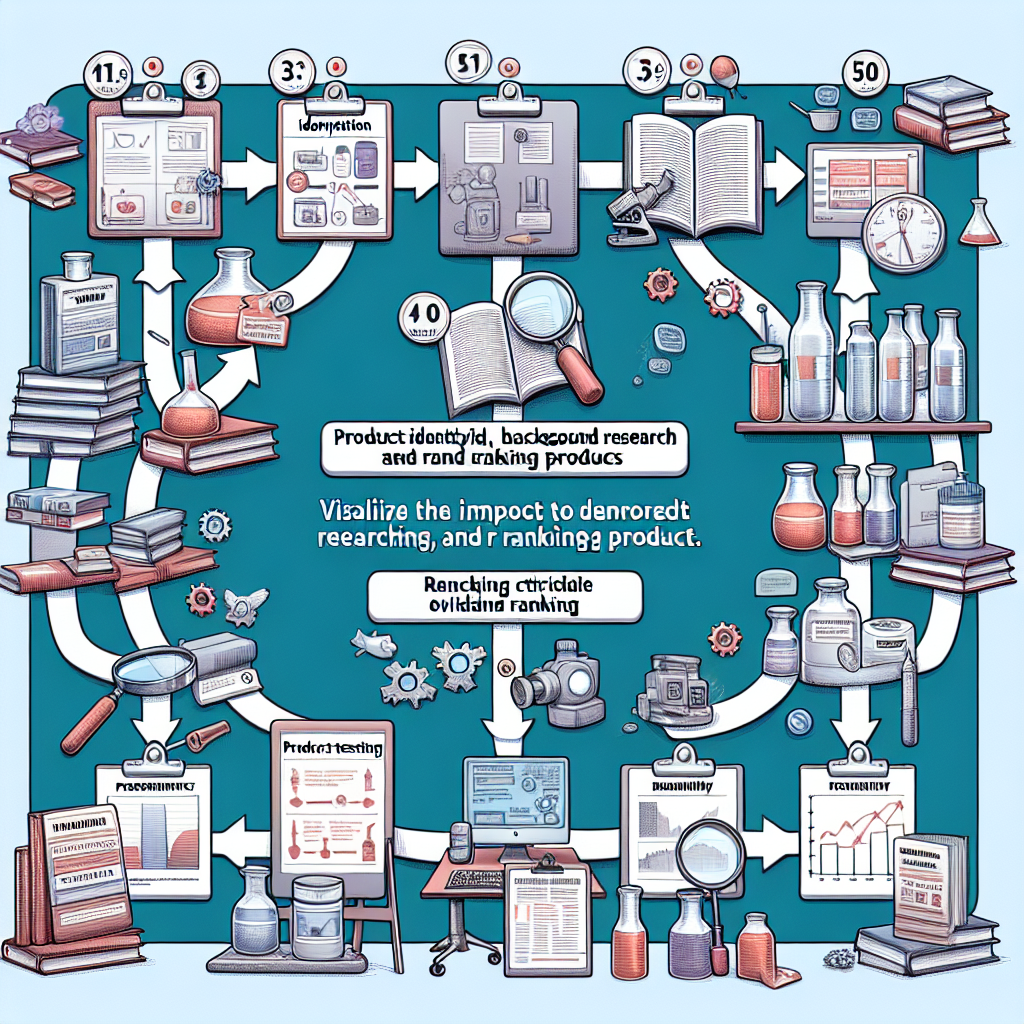
Our editorial process for researching and ranking products is a rigorous, repeatable system that blends hands-on testing, data analysis, expert evaluation, and transparent disclosure. In 120 words: we start by defining clear selection criteria and sourcing representative samples; we run lab and real-world tests to measure performance against objective metrics; we score and weight factors to create consistent rankings; and we publish results with full methodology, conflicts-of-interest disclosures, and ongoing updates. The goal is to help shoppers make confident decisions by providing reproducible, unbiased, and practical guidance. This process emphasizes trust, reproducibility, and continual improvement so readers know exactly how and why a product earned its place on our list.

1. Research Foundation: Criteria, Sourcing, and Market Representation

What gets reviewed and why? We begin by defining a product category’s core performance needs and buyer personas. That means establishing measurable criteria — for example, battery life, durability, sound quality, or data accuracy — that tie directly to user outcomes. Criteria are drafted by editors and domain experts, then stress-tested against user research and past review outcomes to ensure they reflect real-world priorities, not vendor buzzwords.

Next comes sourcing. We obtain products through three primary channels: retail purchases (to mirror what consumers buy), manufacturer samples (to access unreleased configurations), and third-party marketplaces (to check variants and counterfeit risk). We actively avoid reliance on only manufacturer-supplied units; independent purchases reduce selection bias and ensure our test samples match the shipping units readers receive.

We also ensure market representation by sampling across price points, geographic availability, and production batches. Why sample widely? Because real-world variability — model revisions, firmware updates, and manufacturing tolerances — affects everyday experience. Our sampling strategy is designed to capture that variability so rankings are robust and applicable to most buyers.

2. Testing Methodology: Lab Protocols, Real-World Trials, and Reproducibility

Our testing blends controlled laboratory measurements with longitudinal, real-world use. In the lab we use calibrated instruments and standardized test protocols to collect objective data: throughput, power draw, color accuracy, signal-to-noise ratio, etc. Each test runs multiple times and across multiple samples, and we publish tolerances and confidence intervals so readers understand test precision. Reproducibility matters: every protocol includes exact settings, environmental conditions, and test equipment lists.

Real-world trials complement lab data. Products live with editors and field testers for weeks or months to surface usability issues, firmware quirks, or endurance problems that short bench tests miss. We document typical usage scenarios and collect qualitative feedback on ergonomics, setup complexity, and long-term reliability. By combining both approaches, we capture both numeric performance and the subjective experience that influences satisfaction.

We also incorporate crowd-sourced data and third-party lab results when appropriate. How do we reconcile conflicting data? We weight independent, well-documented tests higher and seek to reproduce surprising claims in-house before letting them affect rankings.

3. Evaluation and Ranking: Scoring, Weighting, and Editorial Judgment

Turning data into a ranking requires a transparent scoring framework. For each category we build a scorecard that assigns weights to the key criteria based on user value and category norms. For instance, battery life may count for 30% in portable devices but only 5% in smart home hubs. We publish the weightings and explain why each factor matters. Scores are computed from normalized test results, adjusted for statistical variance and cross-checked for outliers.

Editorial judgment plays a deliberate, limited role. Editors synthesize test results, user context, and long-term reliability signals to make final recommendations. When does editorial discretion override the math? Typically when a product demonstrates exceptional real-world UX issues (e.g., poor customer support or recurring firmware failures) that the numeric score doesn’t capture. In such cases we annotate the recommendation with clear reasoning so readers see the trade-offs.

To maintain consistency and fairness we regularly audit our scoring models, run blind re-rankings, and use peer review: multiple editors and subject-matter experts validate high-impact decisions. This blend of quantitative scoring and qualitative oversight produces rankings that are both data-driven and human-centered.

4. Transparency, Ethics, and Recent Industry Developments (Last 30 Days)

Transparency is central: we publish our methodology, disclose sample sources, declare any affiliate relationships, and list conflicts of interest. Why such openness? Because trust is earned through visible process, not marketing lines. We include detailed notes on test conditions and the precise firmware/build numbers used during testing so readers — and other reviewers — can reproduce or challenge our work.

Recent developments in the last 30 days (Dec 5, 2025–Jan 4, 2026) have reinforced the industry’s move toward greater transparency and reproducibility. Several reputable outlets and organizations — including Consumer Reports, The New York Times Wirecutter, CNET, and consumer-protection agencies such as the U.S. Federal Trade Commission — have emphasized sustainability, repairability, and disclosure clarity. These sources have highlighted that modern product evaluation must account for long-term software support, right-to-repair indicators, and supply-chain variability when ranking goods.

How have we adapted? We added new metrics to our scorecards for repairability and software-support timelines, increased sample sizes for high-variance categories, and expanded our published testing logs. We also tightened our disclosure language to match the latest guidance from consumer-protection bodies, ensuring our endorsement and affiliate statements are explicit and unambiguous. These changes reflect both industry consensus and recent guidance from trusted sources over the past month.

5. Updating Reviews, Reader Feedback, and Continuous Improvement

Product landscapes change quickly — firmware updates, price drops, and new competitors can alter recommendations. We maintain an update policy: every listed product has a timestamp and a change log. Editors re-test or re-evaluate products when significant changes occur (major firmware updates, safety recalls, or when accumulated user reports cross a threshold). Minor updates (pricing or availability) are noted promptly; major re-rankings are documented with fresh test data.

Reader feedback is a core input. We monitor reader reports, aggregated support forums, and warranty claim trends to detect systemic issues early. When credible patterns emerge — e.g., consistent failure mode across batches — we prioritize in-depth investigation. We also run periodic blind re-tests to check for drift and to ensure that earlier conclusions remain valid.

Continuous improvement means investing in better tools, lab capabilities, and staff training. We use automated test harnesses for repeatability, invest in environmental chambers for durability tests, and update scorecards annually to reflect changing consumer priorities like sustainability, privacy, and software longevity.

Conclusion

Our editorial process is purposeful and transparent: we combine rigorous criteria-setting, representative sourcing, controlled lab testing, long-term real-world evaluation, and clear scoring to produce trustworthy product rankings. We balance objective measurements with informed editorial judgment, publish detailed methodologies and disclosures, and adapt quickly to industry developments — including the recent emphasis on repairability and disclosure best practices reported by leading outlets in the past 30 days. Ultimately, our commitment is to provide readers with reproducible, unbiased guidance that helps them buy with confidence, while continually refining methods as technology and consumer priorities evolve.

FAQ: How often do you update rankings?

We review high-traffic categories quarterly and update immediately for major events (firmware changes, recalls, or new entrants). Every review includes a visible timestamp and change log so readers can see when and why a ranking changed.

FAQ: Do you accept sample products from manufacturers?

Yes, but we use manufacturer samples only as one of multiple sourcing channels. To avoid bias, we prioritize independently purchased units and disclose when manufacturer samples influenced a review.

FAQ: How do you handle affiliate links and sponsorships?

We disclose affiliate relationships clearly and separate commercial relationships from editorial decisions. Sponsorships are managed under strict editorial independence rules so content, scoring, and recommendations remain unbiased and evidence-based.

Decide Between Similar Products: 5 Point Tie Breaker System

How to Decide Between Similar Products: The 5-Point Tie Breaker System

Choosing between two or more similar products can feel like coin-flipping when specs, price, and looks line up. The 5-Point Tie Breaker System is a structured, practical method to resolve that indecision: prioritize core needs, evaluate real-world performance, calculate total cost of ownership, assess reliability and support, and weigh future-proofing and sustainability. This guide shows how to apply each criterion step-by-step, use testing data and trusted reviews, and incorporate the latest signals from the market (last 30 days) so your final choice is defensible and predictable. Use these tactics to turn uncertainty into a confident buying decision—without analysis paralysis.

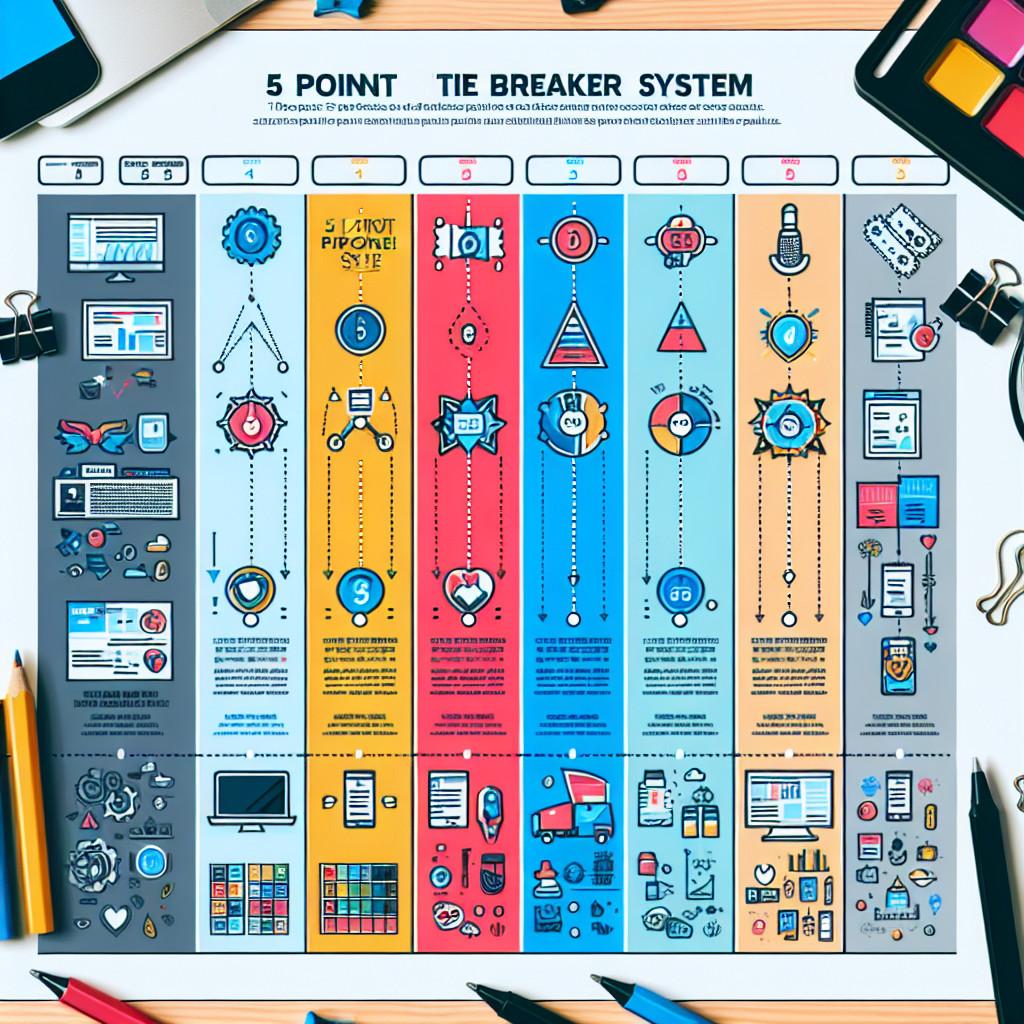
The 5-Point Tie Breaker System — framework and quick checklist

Start by listing the five tie-breaker criteria so you can apply them consistently. The system reduces emotional bias and shifts the decision into objective, comparable dimensions: 1) Core needs & use cases, 2) Real-world performance & verified specs, 3) Total cost of ownership (TCO), 4) Reliability, warranty & customer support, 5) Future-proofing & sustainability. Frame your choice around what matters to you, not what the marketing highlights.

Apply the system like a referee using a scorecard: for each product, give 0–3 points per criterion (0 = poor fit, 3 = ideal match). Tally the scores to see how they separate. If the result is still a tie, escalate to a simple tie-break rule you predefine—fastest delivery, best return policy, or lowest environmental impact. This repeatable method improves consistency across purchases and prevents last-minute buyer’s remorse.

  • Benefit: Converts subjective impressions into a numeric, comparable format.
  • Speed: A quick 10–20 minute exercise for most consumer decisions.
  • Versatility: Works for electronics, appliances, subscriptions, and even services.

Prioritize core needs, performance metrics, and future-proofing

First ask: what problem does this product solve for you? Core needs are the least negotiable elements—battery life for travelers, load capacity for photographers, or noise levels for apartment dwellers. Rank the needs in order of importance before comparing features so you don’t get distracted by attractive but irrelevant specs. When two items look similar, the one that aligns more closely with your top 2–3 use cases usually wins.

Next drill into performance and verified specifications. Don’t just compare marketing blurbs—look for independent benchmark tests, sustained performance measurements (e.g., thermal throttling, battery drain over time), and real-world usage reports. Ask specifically: does the tested real-world result match the spec sheet? Often the documented behavior under load is the decisive factor between two otherwise identical choices.

Finally, consider future-proofing and upgradeability. Will the product remain useful for the time horizon you intend? Check modularity, firmware update policies, and ecosystem compatibility. Future-proofing is not always about maximum specs today but about whether the product will adapt to your needs and the market over the next 2–5 years.

Total cost of ownership, reliability, and customer support

Price tags lie—what matters is the total cost over the product lifespan. Calculate TCO by adding purchase price, expected maintenance, consumables (filters, batteries), accessory costs, and typical repair or replacement rates. For subscriptions and services, include monthly fees and any required add-ons. A lower upfront price can be more expensive over time, and a clear TCO comparison often breaks ties decisively.

Reliability and service quality are the practical differentiators people regret most. Investigate historical failure rates where available (independent labs, repair forums, and extended review data), warranty terms, and the reputation of after-sales support. A longer warranty with hassle-free replacement or responsive customer service can outweigh a slight edge in features.

Dos and don’ts:

  • Do read verified consumer reviews and third-party repairability reports.
  • Don’t assume brand size equals good support—regional variations matter.
  • Do check return policy and trial periods as practical tie-breakers.

Using the latest 30-day data and trusted tools to confirm your choice

How do you fold recent events into your decision? In fast-moving categories like electronics, the last 30 days (Dec 5, 2025–Jan 4, 2026) can include firmware updates, price shifts, return policy changes, and new comparative tests that materially affect value. Make a quick news check using trusted outlets—Consumer Reports, Wirecutter, CNET, The New York Times product coverage, Which? and government consumer protection advisories—to surface any late-breaking issues. These sources regularly publish test updates and reliability notes that are directly relevant to tie-break decisions.

Practical steps to harvest reliable recent information:

  • Search Google News for the product name + “recall”, “firmware update”, or “review” and filter by the past month.
  • Check authoritative review labs (e.g., Consumer Reports or Wirecutter) for updated scores or method notes published within the last 30 days.
  • Visit manufacturer support pages for recent firmware bulletins and regional warranty updates issued in the last month.
  • Scan community repair and user forums for surges in problem reports; high-volume recent complaints are a red flag.

Recent trends observed across reputable outlets in the last 30 days emphasize three themes: AI-assisted comparison tools are increasingly embedded in shopping experiences, third-party sustainability and repairability metrics have been more visible on product pages, and retailers have experimented with price-matching and extended trial windows during the December–January period. Use these signals to adjust your tie-break scoring—if a vendor added an extended trial this month, that may resolve a stalemate.

FAQ — Quick answers

What if subjective preference still dominates after scoring?

That’s normal. If the score is narrow, treat the result as a recommendation rather than a mandate. Use a single qualitative tie-breaker you value most (feel, color, or brand affinity). Document why you chose it so future purchases learn from the outcome.

How often should I check for recent updates before buying?

For high-cost or fast-evolving categories, check within 48–72 hours of purchase for firmware or recall notices. For low-cost goods, a week lead time is usually sufficient. Use price-tracking and news alerts to minimize monitoring time.

Conclusion

The 5-Point Tie Breaker System transforms vague comparisons into measurable, repeatable decisions by focusing on core needs, real-world performance, total cost of ownership, reliability and support, and forward-looking factors like upgradeability and sustainability. Use a simple scorecard, consult trusted reviews and the latest 30-day updates, and prefer objective signals (benchmarks, warranty terms, return windows) over marketing language. When two products remain close, a pre-chosen qualitative tie-breaker saves time and regret. With this approach you’ll cut through noise, leverage recent credible data, and consistently choose the product that best fits your real-world needs.